How does hearing loss occur?

The impact of hearing loss

Having our hearing is a gift that we often take for granted but around 11 million people in the UK – one in six of the population – experience some level of hearing loss. Hearing healthcare professionals usually describe hearing loss by degrees. The degree of hearing loss is defined in ranges of mild, moderate, moderately severe, severe and profound. Recent studies have shown that untreated hearing loss affects our social and emotional wellbeing, our relationships with friends and family and our overall quality of life as day to day communication becomes a chore. For individuals still in the workplace, hearing loss can have a negative impact on income potential as well. When we can’t hear, our confidence levels drop and we can feel isolated and lonely. Recent research also suggests that hearing loss can cause cognitive impairment and dementia. At Independent Hearing Services, we offer you the latest hearing aid technology providing hearing and communication solutions for all your needs. We will be there to support you every step of the way from your initial assessment, hearing test, hearing aid fitting and aftercare service.
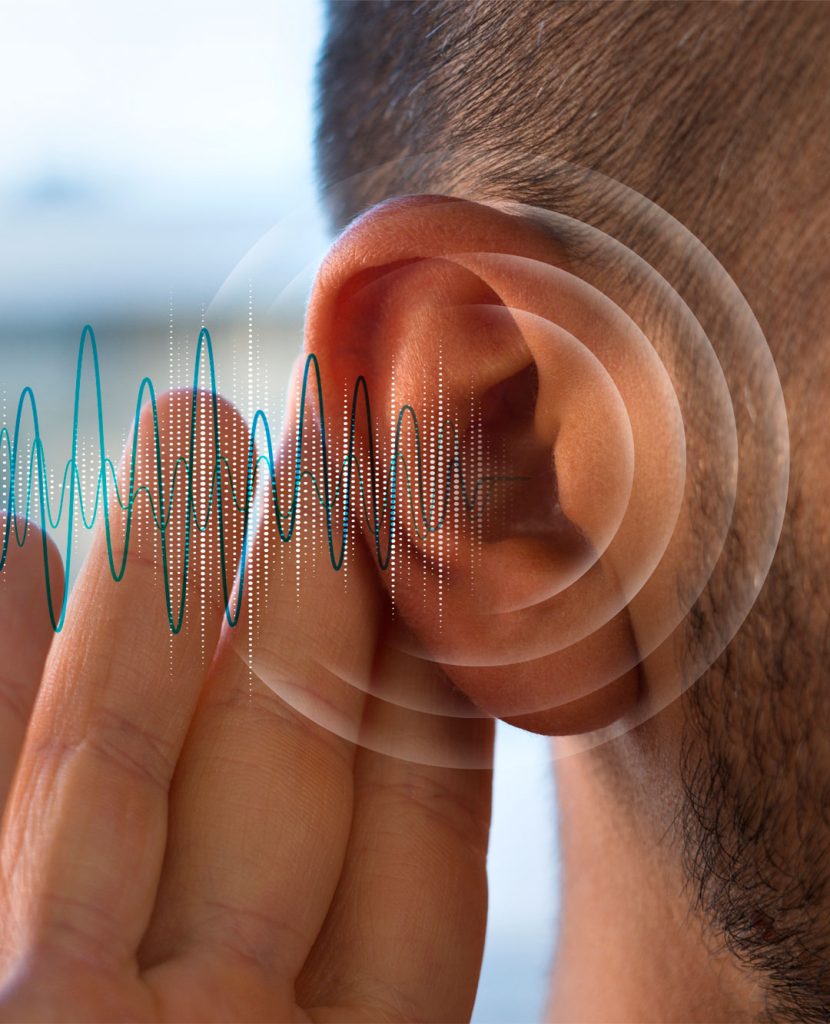
Hearing loss is a common and natural part of ageing.

Between the ages of 30 to 40, the hair cells in the inner ear begin to die. By the age of 60 to 65, about 30% of the population has a hearing loss that is significant enough to affect their ability to hear everyday sounds, such as speech. Hearing loss ranges from difficulty hearing soft sounds or understanding speech, to complete deafness. For approximately 1 in 10 people, hearing loss eventually reaches a point where hearing aids are required.

Our Promise to You

When you choose Independent Hearing Services, you’re choosing a practice that listens to your hearing needs, to your daily life, and to the voices of those you care about.

We Promise:

We're
Certified
Audiologist

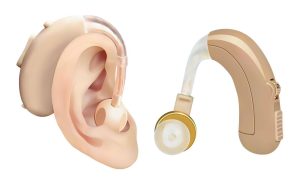
BTE – Behind the Ear Hearing Aid

BTE (behind-the-ear) hearing aids can accommodate most types of hearing loss. All of the sound processing takes place in the unit, fitting behind the ear and connecting to either a tube with an earmould or a thin tube with a small dome that fit in the ear. Larger versions are known as Power aids or Super Power aids and are suitable for severe to profound hearing loss.

We work with the world's leading hearing aid manufacturers

audiologist

The Most Qualified Skillful & Professional Staff